What’s the Difference Between PCB Production and PCB Assembly

What’s the Difference Between PCB Production and PCB Assembly

PCB Assembly and PCB Production/Fabrication (often just called PCB fabrication or PCB manufacturing) are two distinct but sequential stages in bringing an electronic product to life. Understanding the difference helps product manufacturers and engineers choose the right partners and streamline their outsourcing decisions.

PCB Fabrication (or PCB Production/Manufacturing)

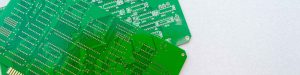
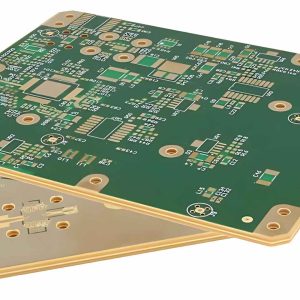
This is the process of creating the bare printed circuit board itself—the foundational platform with no electronic components attached yet.

  • Key Steps:
    • Starting with a substrate material (typically FR-4 fiberglass).
    • Applying copper layers, etching to form conductive traces and pads.
    • Drilling vias and through-holes.
    • Plating, applying solder mask, silkscreen, and surface finishes (e.g., ENIG, HASL).
  • Output: A non-functional bare PCB—essentially a custom-designed board ready for components.
  • Focus: Structural integrity, trace accuracy, layer alignment, and material properties.
  • Typical Providers: Specialized PCB fabricators (often overseas for volume, or domestic for quick-turn prototypes).


In short, fabrication builds the “skeleton” of your circuit.

PCB Assembly (PCBA – Printed Circuit Board Assembly)

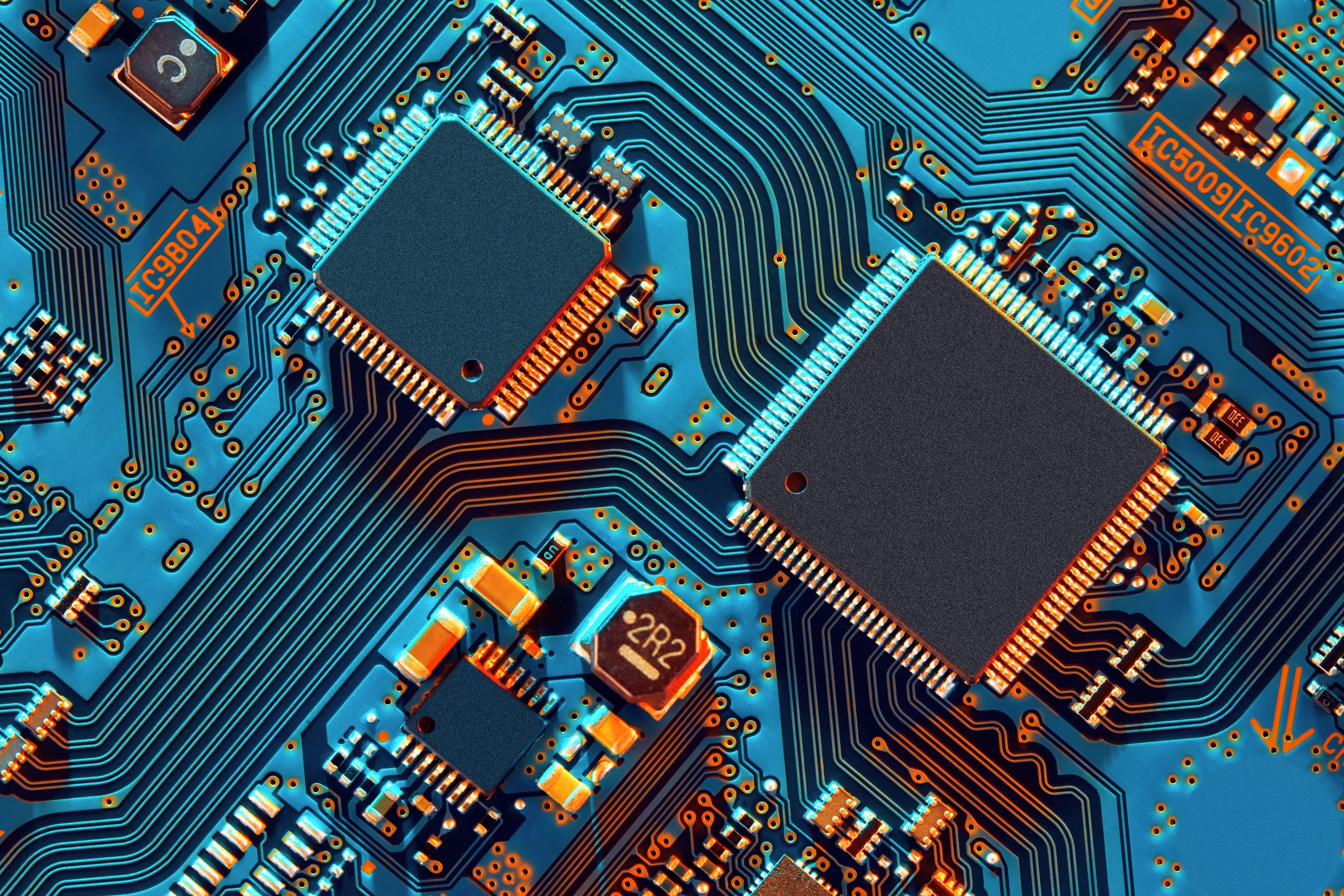
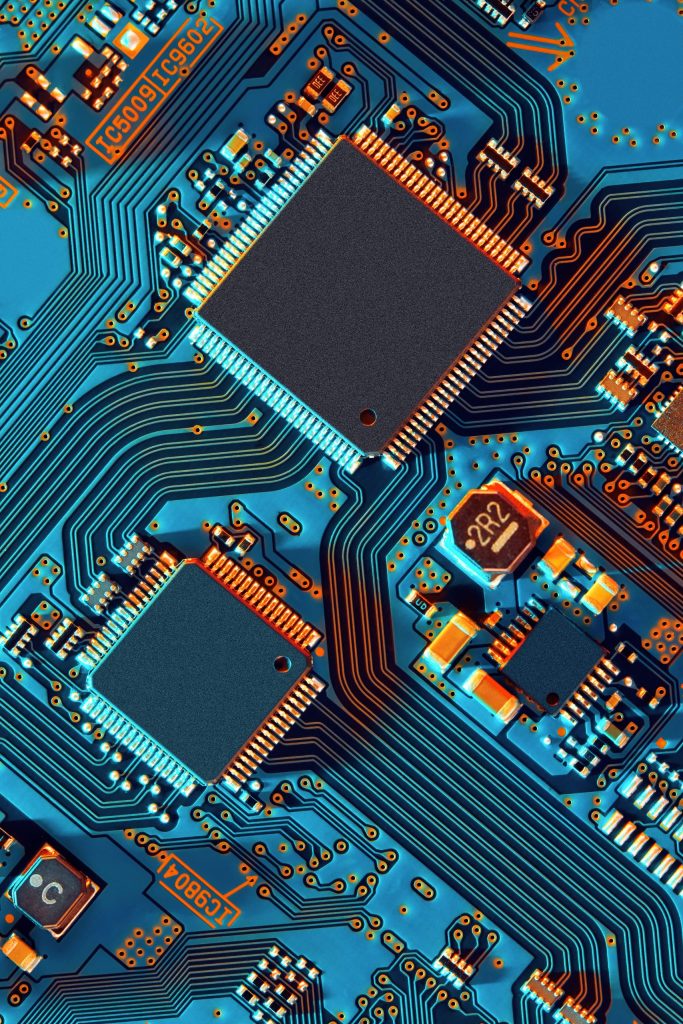
This follows fabrication and turns the bare board into a functional electronic assembly by populating it with components.

  • Key Steps:
    • Applying solder paste (via stencil printing).
    • Automated component placement (SMT pick-and-place machines).
    • Reflow soldering or wave/selective soldering for through-hole parts.
    • Inspection (AOI, X-ray), functional testing, programming, conformal coating (if required).
    • Final integration (e.g., into cable assemblies or box builds).
  • Output: A fully populated, tested PCBA ready for further integration or end-use.
  • Focus: Precision placement, solder joint quality, component reliability, and electrical performance.
  • Typical Providers: Assembly houses like BENCOR, which specialize in SMT, through-hole, mixed technology, and value-added services.


In short, assembly “brings the board to life” by adding the active and passive components that make your design work.
PCB Production Texas

Quick Comparison Table

Aspect
PCB Fabrication (Production)
PCB Assembly (PCBA)
StageFirst – creates the bare boardSecond – populates the board
Main ProcessesEtching, layering, drilling, platingComponent placement, soldering, testing
OutputBare PCB (non-functional)Assembled, functional PCBA
EquipmentEtching machines, drills, laminatorsPick-and-place, reflow ovens, AOI/X-ray
Key ExpertiseMaterial science, photolithographySoldering, automation, quality control
Typical Lead Time3–10 days (depending on complexity)Longer (includes component sourcing)

The American Advantage: Stability and Trust in Component Management

At BENCOR, we focus on both PCB Assembly and PCB Production (along with box builds, cable assemblies, and final integration) as your trusted U.S.-based partner in Texas. We take your fabricated bare boards—whether sourced domestically or globally—and handle the precision population, testing, and value-added steps to deliver reliable, ready-to-ship products. This lets you concentrate on design and innovation while we manage the assembly complexities with technical expertise, friendly support, and attention to detail.

If you’re evaluating options for your next project or need help coordinating fabrication + assembly, feel free to reach out—we’re happy to discuss how we can support your specific needs!
You might also enjoy

PCB Assembly and PCB Production/Fabrication (often just called PCB fabrication or PCB manufacturing) are two distinct but sequential stages in bringing an electronic product to life. Understanding the difference helps product manufacturers and engineers choose the right partners and streamline their outsourcing decisions.

PCB Fabrication (or PCB Production/Manufacturing)

This is the process of creating the bare printed circuit board itself—the foundational platform with no electronic components attached yet.

  • Key Steps:
    • Starting with a substrate material (typically FR-4 fiberglass).
    • Applying copper layers, etching to form conductive traces and pads.
    • Drilling vias and through-holes.
    • Plating, applying solder mask, silkscreen, and surface finishes (e.g., ENIG, HASL).
  • Output: A non-functional bare PCB—essentially a custom-designed board ready for components.
  • Focus: Structural integrity, trace accuracy, layer alignment, and material properties.
  • Typical Providers: Specialized PCB fabricators (often overseas for volume, or domestic for quick-turn prototypes).


In short, fabrication builds the “skeleton” of your circuit.

PCB Assembly (PCBA – Printed Circuit Board Assembly)

This follows fabrication and turns the bare board into a functional electronic assembly by populating it with components.

  • Key Steps:
    • Applying solder paste (via stencil printing).
    • Automated component placement (SMT pick-and-place machines).
    • Reflow soldering or wave/selective soldering for through-hole parts.
    • Inspection (AOI, X-ray), functional testing, programming, conformal coating (if required).
    • Final integration (e.g., into cable assemblies or box builds).
  • Output: A fully populated, tested PCBA ready for further integration or end-use.
  • Focus: Precision placement, solder joint quality, component reliability, and electrical performance.
  • Typical Providers: Assembly houses like BENCOR, which specialize in SMT, through-hole, mixed technology, and value-added services.


In short, assembly “brings the board to life” by adding the active and passive components that make your design work.

PCB Production Texas

Quick Comparison Table

Aspect
PCB Fabrication (Production)
PCB Assembly (PCBA)
StageFirst – creates the bare boardSecond – populates the board
Main ProcessesEtching, layering, drilling, platingComponent placement, soldering, testing
OutputBare PCB (non-functional)Assembled, functional PCBA
EquipmentEtching machines, drills, laminatorsPick-and-place, reflow ovens, AOI/X-ray
Key ExpertiseMaterial science, photolithographySoldering, automation, quality control
Typical Lead Time3–10 days (depending on complexity)Longer (includes component sourcing)

The American Advantage: Stability and Trust in Component Management

At BENCOR, we focus on both PCB Assembly and PCB Production (along with box builds, cable assemblies, and final integration) as your trusted U.S.-based partner in Texas. We take your fabricated bare boards—whether sourced domestically or globally—and handle the precision population, testing, and value-added steps to deliver reliable, ready-to-ship products. This lets you concentrate on design and innovation while we manage the assembly complexities with technical expertise, friendly support, and attention to detail.

If you’re evaluating options for your next project or need help coordinating fabrication + assembly, feel free to reach out—we’re happy to discuss how we can support your specific needs!
You might also enjoy

You might also enjoy