

In the complex machinery of modern electronics manufacturing, the Printed Circuit Board (PCB) is the chassis, and the components are the engine. But fueling this entire ecosystem are the raw materials: the copper, gold, palladium, tantalum, and the increasingly critical Rare Earth Elements (REEs) that make advanced technology possible. For decades, the procurement of these materials and the components built from them was viewed largely as a transactional process—a hunt for the lowest price on a global open market. However, as we navigate the industrial landscape of 2025, that model is obsolete. The volatility of global markets, geopolitical competition for resources, and the exploding demand from sectors like Electric Vehicles (EVs) and renewable energy have fundamentally altered the equation. Today, security of supply is not achieved through purchasing power alone; it is achieved through strategic alliances. At BENCOR, we believe that securing the inputs for American innovation requires a shift from vendor management to true partnership. By building deep, strategic alliances for material sourcing, we are insulating our customers from volatility and ensuring that American manufacturing remains resilient, robust, and ready for the future.
The Raw Material Reality: Why Sourcing is Strategic in 2025
To understand why BENCOR invests so heavily in these alliances, one must understand the current pressure on the raw material supply chain. Electronics manufacturing is effectively in competition with other massive industries for the same finite resources.
The Competition for the Periodic Table
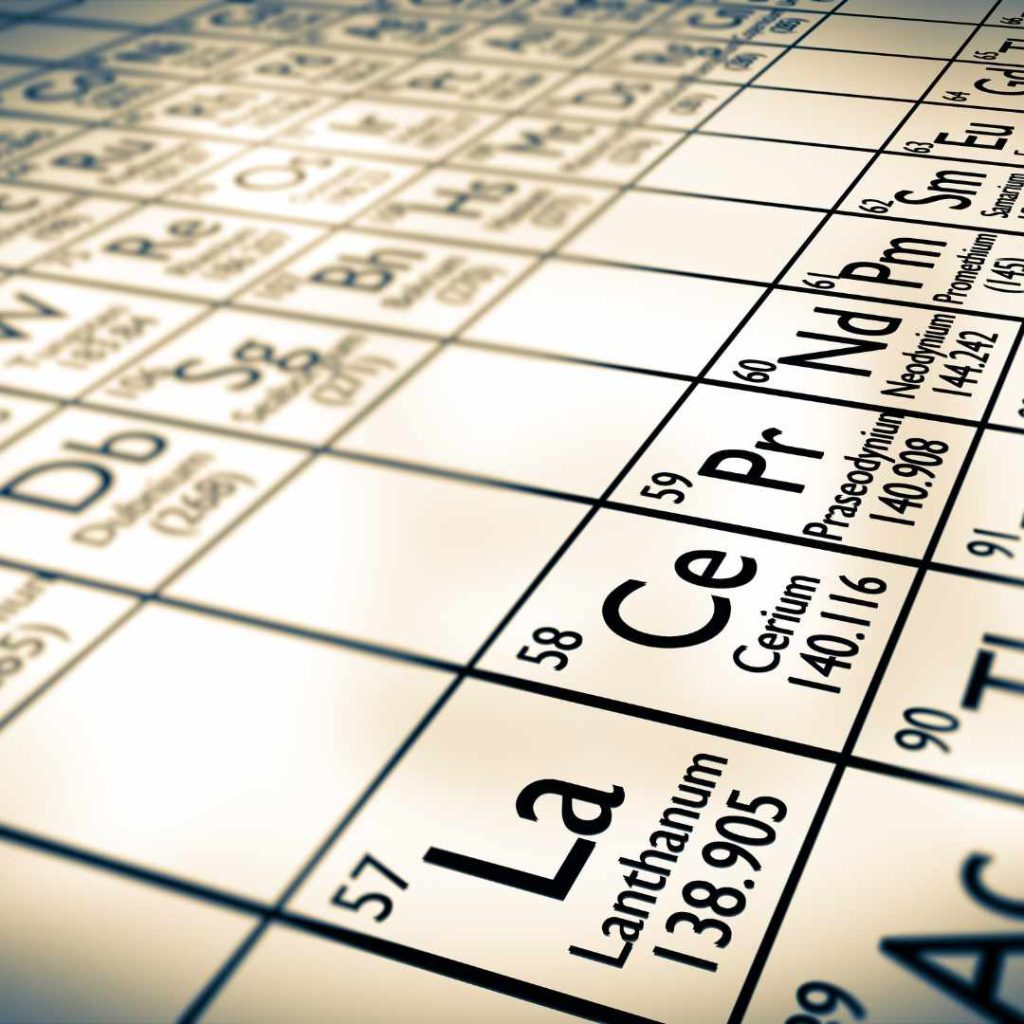
Consider copper. It is the lifeblood of a PCB, but it is also the primary conductor for the booming EV industry and the massive expansion of the US electrical grid. Consider Rare Earth Elements like Neodymium or Dysprosium, essential for the powerful magnets in motors and speakers, or Tantalum, critical for high-reliability capacitors. The demand for these materials has skyrocketed, while the mining and refining capacity often faces bottlenecks. In a transactional market, when shortages hit, the highest bidder wins, or worse, the supply simply dries up for everyone but the largest players.
The Geopolitical Dimension
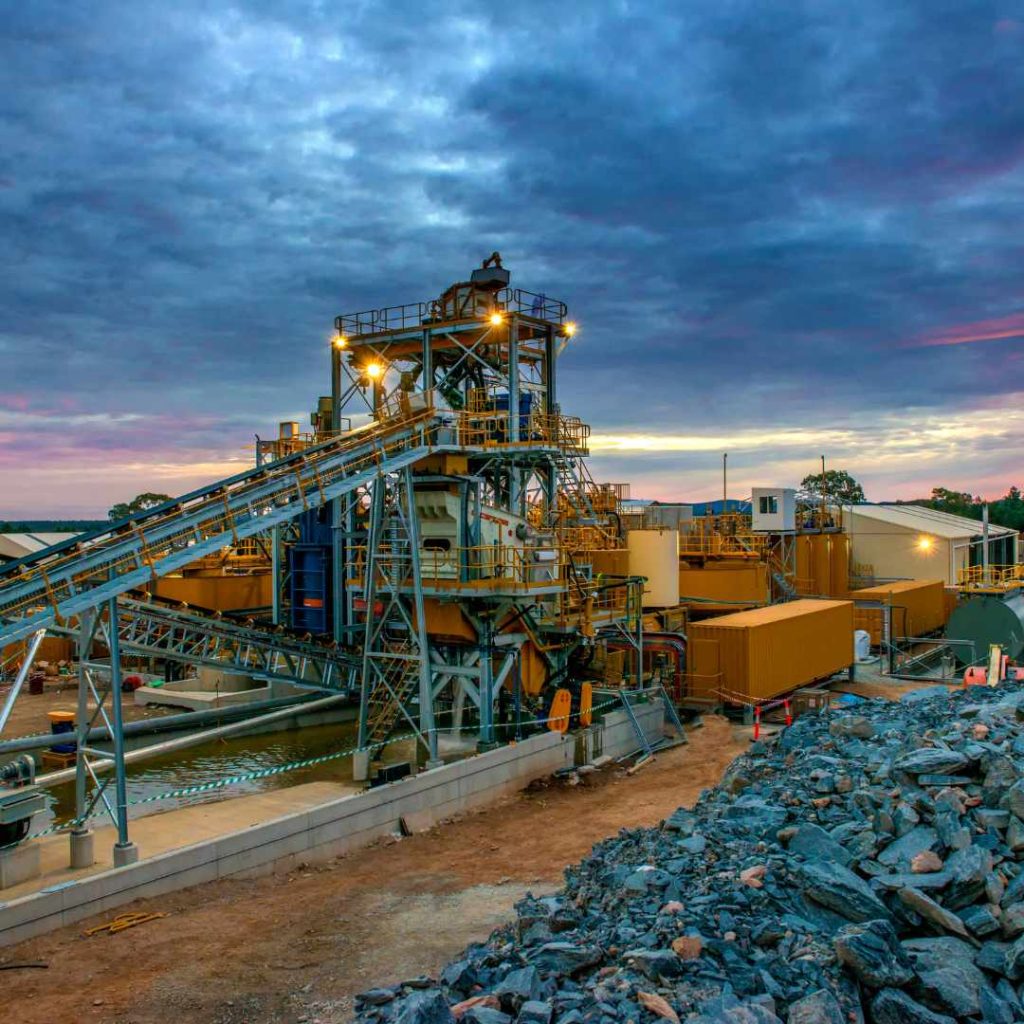
Furthermore, the extraction and processing of many of these critical minerals are often concentrated in specific geographic regions, some of which are subject to geopolitical tensions or export controls. Relying on opaque, multi-tier supply chains to source these materials creates an unacceptable level of risk for American companies building critical infrastructure, defense systems, or medical devices.

Moving from Transactional to Strategic: The BENCOR Approach
At BENCOR, we recognized early on that protecting our customers required a proactive approach. We moved away from the traditional “spot market” mentality and embraced a philosophy of Strategic Alliance. This means we don’t just buy from suppliers; we integrate with them.
Curating a Network of Authorized Partners
Our strategy begins with whom we choose to work with. We maintain rigorous relationships exclusively with authorized distributors and direct manufacturers. This is not just about avoiding counterfeit parts—though that is critical—it is about priority. By committing volume and loyalty to key authorized partners, BENCOR earns preferred status. In times of allocation or shortage, this status often means our orders are fulfilled while others are placed on backorder. We are not just another line item on a spreadsheet; we are a valued partner with a history of collaboration.

Forward-Looking Procurement and Forecasting
A strategic alliance is a two-way street built on data. We work closely with our raw material providers and component distributors to share long-term forecast data. Instead of reacting to orders as they come in, we look quarters, or even years, ahead. This allows our partners to reserve capacity and secure raw materials for us in advance. For our customers, this translates into stability. It means that when you place an order for a production run in six months, the critical laminates and chips have effectively already been earmarked for you.

Diversification via "Friend-Shoring"
While we are staunch advocates of domestic production, we acknowledge that some raw materials are simply not mined in the US in sufficient quantities. In these cases, our strategic alliances focus on friend-shoring. We cultivate relationships with suppliers in allied nations and stable regions, diversifying our intake to ensure that a disruption in one part of the world does not halt production in our Texas facility.
The Role of Rare Earth Elements (REEs) in Modern PCBs
The term “Rare Earths” is often thrown around in headlines, but their specific role in PCB assembly is vital and often misunderstood. These elements are not just used in batteries; they are fundamental to the miniaturization and performance of modern components.
Cerium is used in the polishing of glass substrates and in certain capacitor formulations. Lanthanum is found in specialized optical lenses and battery electrodes. Yttrium is key for certain microwave filters and phosphors. As electronics become smaller, faster, and more efficient, the reliance on the unique magnetic and conductive properties of these elements increases. By building alliances with component manufacturers who have secured their own upstream access to these minerals, BENCOR effectively extends that security to your Bill of Materials (BOM). We audit our supply chain not just for quality, but for sustainability and security of supply, ensuring that the components we install are available today and will be available tomorrow.
How These Alliances Benefit BENCOR Customers
This behind-the-scenes work in supply chain strategy yields tangible, direct benefits for every company that trusts BENCOR with their manufacturing.
Spot markets are volatile; strategic agreements are stable. By locking in agreements and buying power through our alliances, we can often buffer our customers against the wildest swings in commodity prices. While no one is immune to global inflation, our strategic positioning helps smooth out the peaks, allowing you to price your products with greater confidence.
The most expensive component is the one you don’t have, because it stops your entire production line. Our alliances are designed to prevent line-down situations. By securing inventory priority, we ensure that your product launch schedules are dictated by your business plan, not by a global shortage of a 10-cent capacitor.
Strategic partners share roadmaps. Because of our close relationships with major component manufacturers and material suppliers, BENCOR often gets early visibility into new technologies, new laminates, and new component generations. We can pass this knowledge on to our customers during the Design for Manufacturing (DFM) phase, helping you design products that utilize the latest, most readily available technology.
The American Advantage: Strength in Unity
Ultimately, the strategy of building alliances is a reflection of the American spirit of industry: we are stronger when we work together. By aggregating the demand of our diverse customer base—from medical device innovators to industrial equipment manufacturers—BENCOR creates a center of gravity that commands respect and priority in the global supply chain.
When you partner with BENCOR, you are not just hiring a factory in Texas; you are plugging into a robust, carefully cultivated network of global resources designed to withstand shocks. We have done the hard work of vetting, negotiating, and relationship-building so that you don’t have to. In an era where raw materials are the new strategic assets, having a manufacturing partner who treats sourcing as a high-level strategy rather than a clerical task is a decisive competitive advantage.